Availability
We are sorry, there are no rooms available at this accommodation at the moment

We are sorry, there are no rooms available at this accommodation at the moment
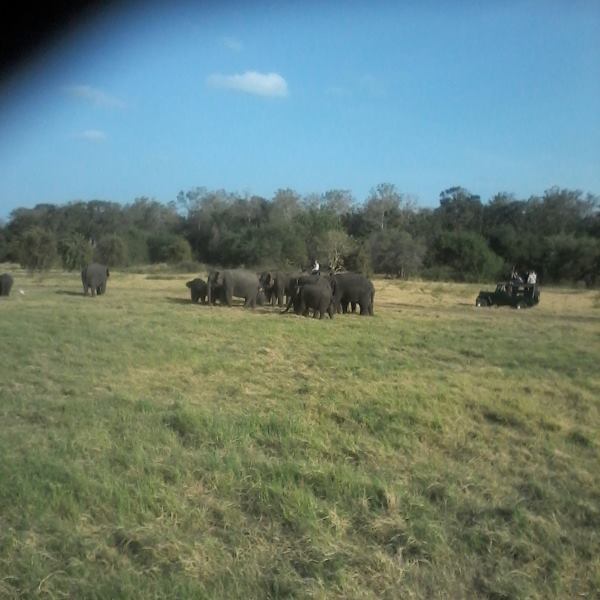
This hotel is one of best hotel in the South called DoubleTree by Hilton Weerawila Rajawarna Resort. It is located in bank of Weerawila Lake, 6km from Weerawila Tissa sanctuary. DoubleTree by Hilton Weerawila Rajawarna Resort has fitness center, two restaurants and three bars including a poolside bar. Bundala national park is 15-minute drive a way, and one hour drive away from Yala and Udawalawe national parks. This accommodation is very beautiful lake view and best place for have a rest.
Not applicable
Yes
No
Yala and Lake side
Free wifi
Free Parking
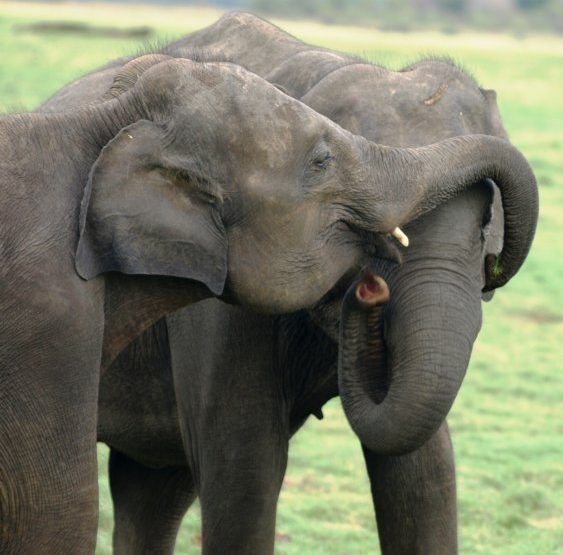 Sri Lanka (formerly Ceylon) is an island nation south of India in the Indian Ocean. Its diverse landscapes range from rainforest and arid plains to highlands and sandy beaches. It’s famed for its ancient Buddhist ruins, including the 5th-century citadel Sigiriya, with its palace and frescoes. The city of Anuradhapura, Sri Lanka’s ancient capital, has
 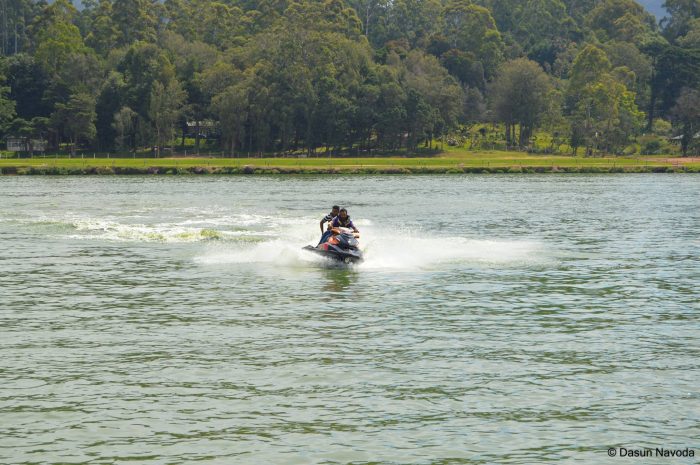 Climate in Sri Lanka
Daily weather conditions are observed and recorded for a long period of time. Height above mean sea level height affects the temperature. For every 100m rise the temperature drops 1°C.
Temperature
Place Sea Level Temperature
Colombo - 0 - 27° C
Kandy - 447m - 24.4°C
Talawakele - 1375m - 18.6°C
Nuwara Elia - 1882m - 15.4°C
Pidurutalagala - 2524m - 11.5°C
Highest temperatures are from about March to May but the temperature goes above 35°C the sea are almost always 27°C all the year round, although it is less suitable for swimming when the monsoons are on when it can choppy and murky.
Rainfall
More than temperature rainfall is a determinant of the climate of Sri Lanka. The rain bringers are monsoons (South West & North East) convectional rains & cyclones South West monsoon (March and April. South West monsoon is from May to about September – October and brings heavy rainfall to the win ward side of the central hills most areas getting over 2000mm and some as much as 5000mm. Second inter Monsoon period is October and November and North East monsoon is December to February.
Natural Resources
There are 103 rivers and most of them radiate from the Central Hills in all directions. In the central hills where the rocks are impermeable, there are waterfalls and raging torrents. There are 52 major waterfalls. E.g; Bambarakanda -240m, KuruduOya – 189m, Diyaluma – 177m, Laxapana – 115m, Kirindi Ella – 106m, Ramboda – 100m, Aberdeen -90m, Devon – 86m, and St Clair – 73m.
Forest
The lowland rain forests cover 124,340.8 ha (480.1 sq mi) in total and accounts for 2.14 percent of Sri Lanka's land area. Wet monsoon forests receive 2,500–1,800 mm (98–71 in) of annual rainfall and are situated belove 1,000 meters (3,281 ft) of altitude. Kanneliya, Viharakele, Nakiyadeniya, and Sinharaja, which is a world heritage site are the forests that represent this ecoregion. Bambarabotuwa, Morapitiya Runakanda, Gilimale and Eratne are some of the other forest reserves. Even rainfall throughout the year, and invariable temperature resulted in rich biodiversity. These forests also act as an important catchment area for rivers. Mostly tourists visit forests: Sinharaja World Heritage Area, Kanneliya Forest Reseve, World Heritage Peak Wilderness – Adam’s Peak – Sanctuary Area, Kitulgala – Kelani Valley Forest Reserve, and Horton Plains National Park.
Climate in Sri Lanka
Daily weather conditions are observed and recorded for a long period of time. Height above mean sea level height affects the temperature. For every 100m rise the temperature drops 1°C.
Temperature
Place Sea Level Temperature
Colombo - 0 - 27° C
Kandy - 447m - 24.4°C
Talawakele - 1375m - 18.6°C
Nuwara Elia - 1882m - 15.4°C
Pidurutalagala - 2524m - 11.5°C
Highest temperatures are from about March to May but the temperature goes above 35°C the sea are almost always 27°C all the year round, although it is less suitable for swimming when the monsoons are on when it can choppy and murky.
Rainfall
More than temperature rainfall is a determinant of the climate of Sri Lanka. The rain bringers are monsoons (South West & North East) convectional rains & cyclones South West monsoon (March and April. South West monsoon is from May to about September – October and brings heavy rainfall to the win ward side of the central hills most areas getting over 2000mm and some as much as 5000mm. Second inter Monsoon period is October and November and North East monsoon is December to February.
Natural Resources
There are 103 rivers and most of them radiate from the Central Hills in all directions. In the central hills where the rocks are impermeable, there are waterfalls and raging torrents. There are 52 major waterfalls. E.g; Bambarakanda -240m, KuruduOya – 189m, Diyaluma – 177m, Laxapana – 115m, Kirindi Ella – 106m, Ramboda – 100m, Aberdeen -90m, Devon – 86m, and St Clair – 73m.
Forest
The lowland rain forests cover 124,340.8 ha (480.1 sq mi) in total and accounts for 2.14 percent of Sri Lanka's land area. Wet monsoon forests receive 2,500–1,800 mm (98–71 in) of annual rainfall and are situated belove 1,000 meters (3,281 ft) of altitude. Kanneliya, Viharakele, Nakiyadeniya, and Sinharaja, which is a world heritage site are the forests that represent this ecoregion. Bambarabotuwa, Morapitiya Runakanda, Gilimale and Eratne are some of the other forest reserves. Even rainfall throughout the year, and invariable temperature resulted in rich biodiversity. These forests also act as an important catchment area for rivers. Mostly tourists visit forests: Sinharaja World Heritage Area, Kanneliya Forest Reseve, World Heritage Peak Wilderness – Adam’s Peak – Sanctuary Area, Kitulgala – Kelani Valley Forest Reserve, and Horton Plains National Park.
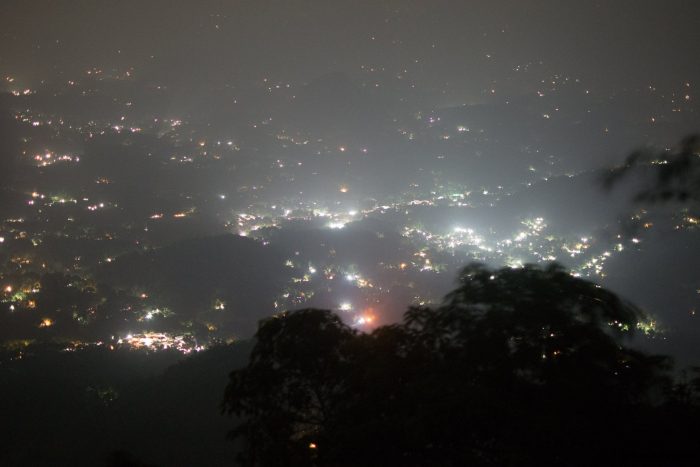 In Sri Lanka: Colombo, Hikkduwa, Galle, Bars and Clubs are available.